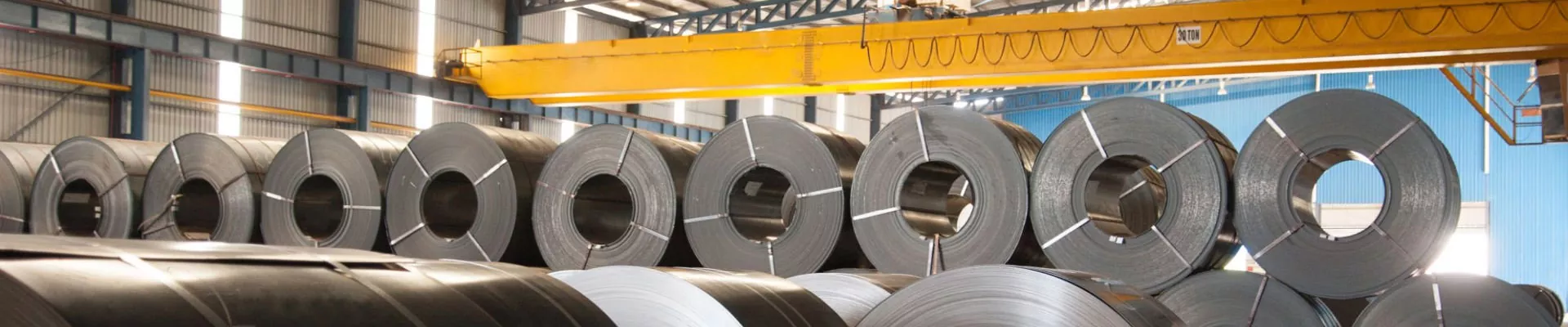
なぜ消防用に溶融亜鉛メッキ管を使用するのでしょうか?
History and advantages of hot-dip galvanizing
The hot-dip galvanizing technique came out in the mid-18th century. It developed from the hot tin plating process. To this day, it is still one of the most common and effective ways to prevent steel from rusting.
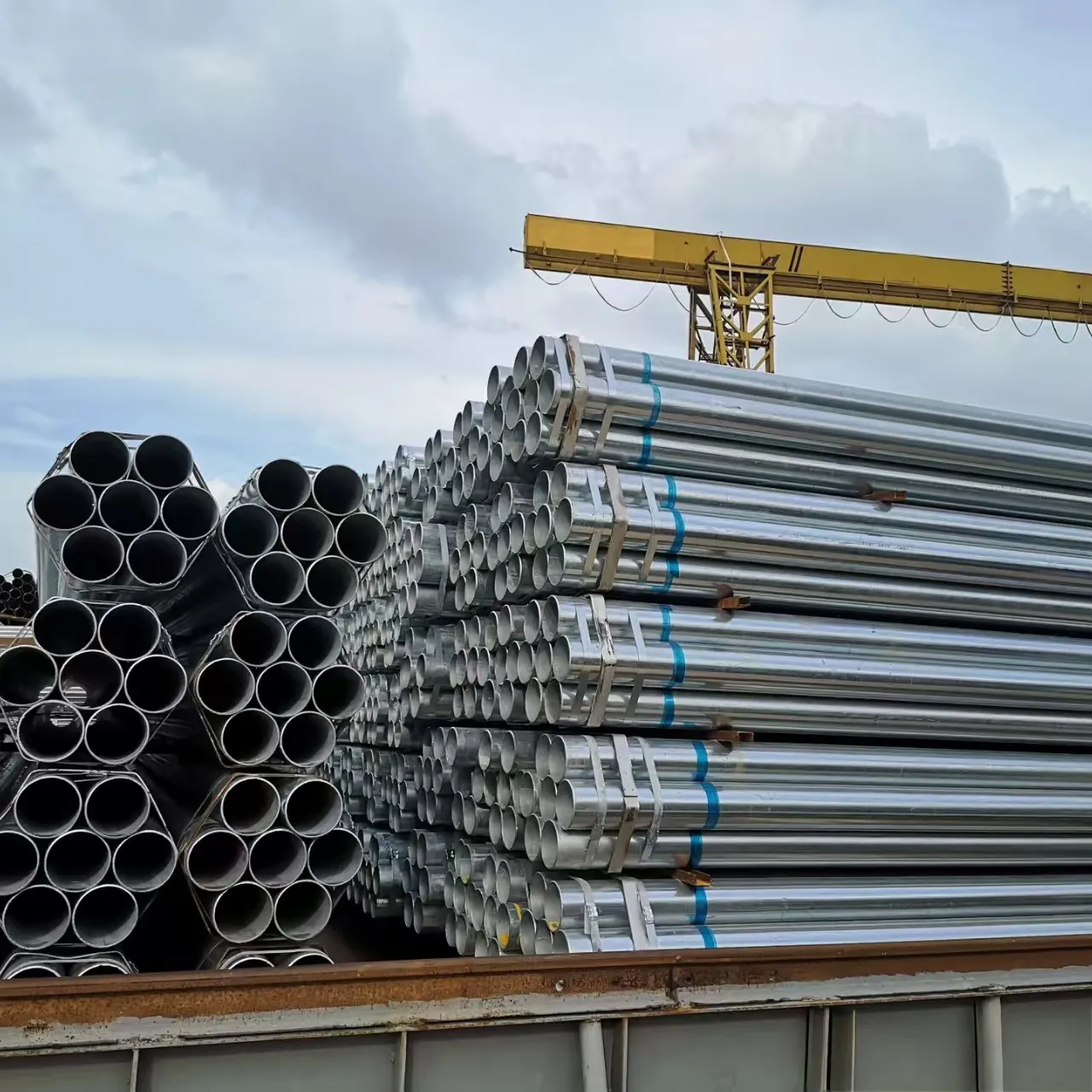
How galvanized coating protects steel pipes
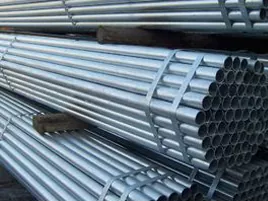
The zinc coating protects steel pipes in two ways. First, it acts as a barrier to keep air and moisture away from the pipe surface and stop corrosion. Second, the zinc will corrode first to shield the steel inside. Ordinary welded pipes, even with oil or paint coating, cannot match the anti-rust performance of hot-dip galvanized pipes.
Differences between hot-dip galvanized pipes and cold-galvanized pipes
Hot-dip galvanizing coats the whole pipe by dipping it into molten zinc, forming a thick and firm zinc layer. Cold galvanizing uses electrolysis to form only a thin film on the surface.
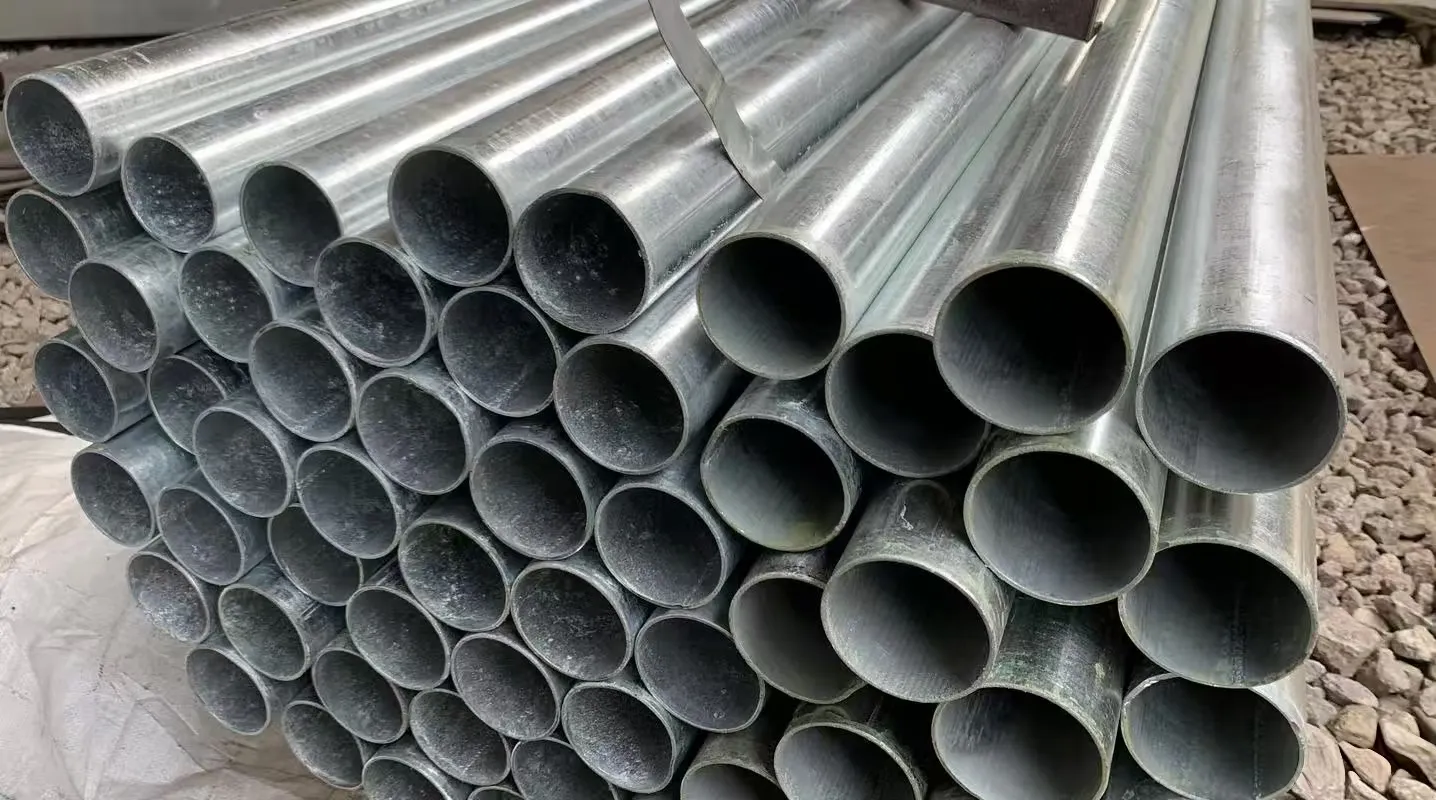
A thicker zinc layer means better protection. Hot-dip galvanized pipes have a much thicker coating. Their anti-rust ability is dozens of times stronger than cold-galvanized pipes.
関連ニュース
メッセージを残してください